
Address by Shaykh-ul-Islam Dr. Muhammad Tahir-ul-Qadri at the Second Spiritual and Educational Session on “The Noble Character of the Holy Prophet ﷺ”
Shaykh-ul-Islam Dr. Muhammad Tahir-ul-Qadri delivered a special address at the second session of the moral and spiritual training gatherings held at the secretariat of Minhaj-ul-Quran International.
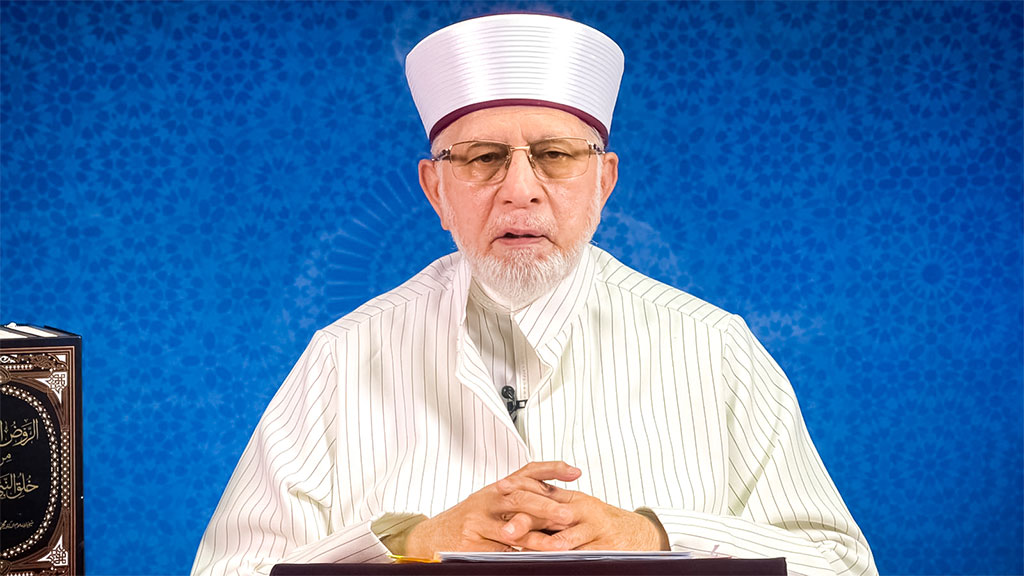
Speaking on the topic “The Noble Character of the Holy Prophet ﷺ,” he stated that the blessed life of the Holy Prophet ﷺ is an exemplary model for all humanity. In every aspect of his life, the Holy Prophet ﷺ demonstrated practical lessons of patience, forgiveness, love, service to humanity, and maintaining ties of kinship. He added that a person who dedicates themselves to serving humanity is never deprived of goodness; rather, Allah grants such a person honor, dignity, and lasting inner strength and stability.
Dr. Tahir-ul-Qadri further explained that the essence of all Sufism and spirituality lies in futuwwah (spiritual chivalry), and its highest point is when a person transcends the confines of self, ego, and personal desires and begins to live for the sake of God’s creation. When a servant becomes concerned with the welfare of Allah’s servants and engages in serving them, that person becomes a reflection of divine attributes. Such an individual is protected by Allah from disgrace, helplessness, and humiliation, and remains constantly under the care and mercy of the Almighty.
Concluding his address, Shaykh-ul-Islam said that service to humanity and compassion for people strengthen a person’s inner self. Those who become a means of goodness and well-wishing for others are granted spiritual strength and inner firmness by Allah.
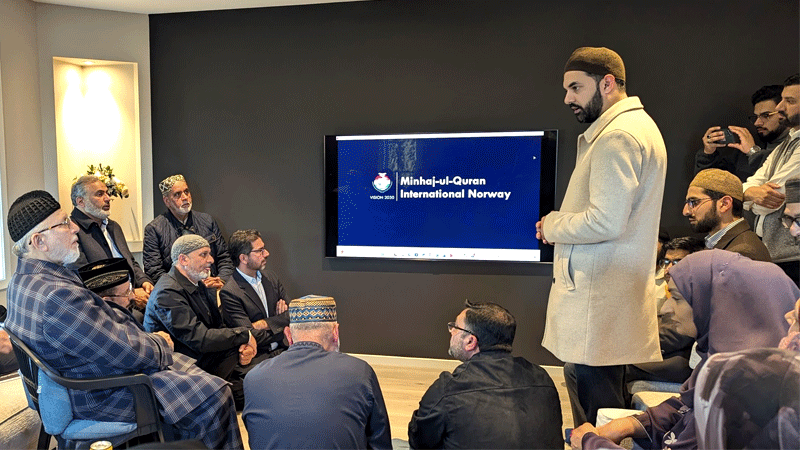
The second session of the spiritual and educational gatherings was attended by Prof. Dr. Hassan Mohi-ud-Din Qadri, Chairman of the Supreme Council of Minhaj-ul-Quran International; Secretary General Khurram Nawaz Gandapur; President of Minhaj-ul-Quran Women League Dr. Ghazala Qadri; Ms. Fizza Hussain Qadri; along with deputy secretaries general, central heads of departments and forums, scholars, spiritual leaders, and a large number of men and women from the general public.


Comment